Tennessee Titans Make Historic Move in NFL Draft
- Tennessee Titans
- 05/30/2026 10:37:35 AM
The Tennessee Titans made a groundbreaking decision during the 2024 NFL Draft, securing the services
The Tennessee Titans made a groundbreaking decision during the 2024 NFL Draft, securing the services of a high-profile quarterback with a strategic trade that has sparked widespread speculation about their future. This pivotal moment marks a significant shift in the team's trajectory, as they aim to solidify their position as a top-tier franchise in the league. The move underscores the Titans' commitment to long-term success, leveraging their resources to address critical weaknesses in their roster. As the NFL landscape continues to evolve, the Titans' bold strategy could set the tone for a new era of competition. The implications of this trade extend beyond the immediate impact on the roster, influencing fan sentiment, marketability, and the broader narrative around the franchise. This development has ignited discussions among analysts and fans alike, highlighting the Titans' growing influence in the league.
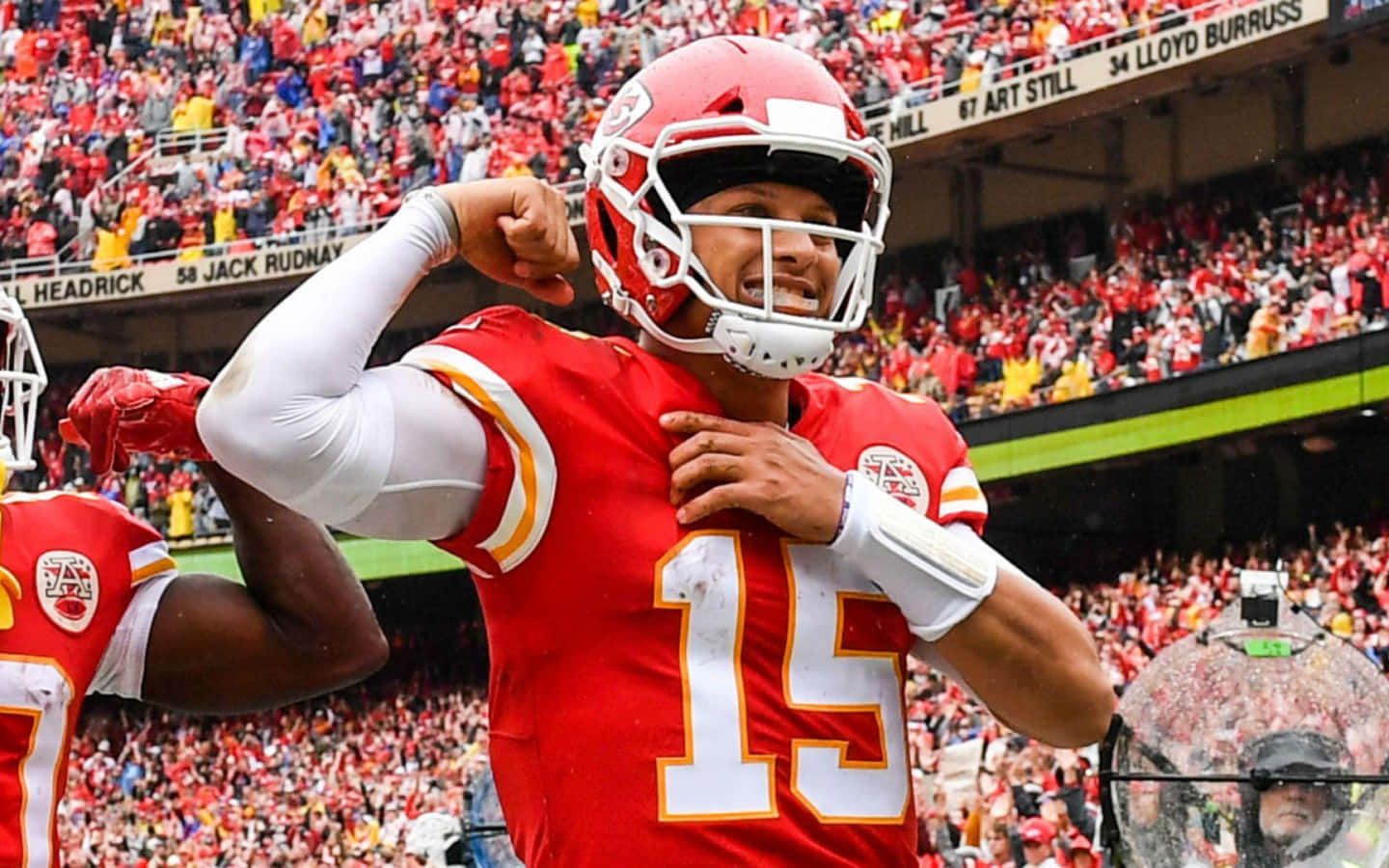
{-images-}
The Tennessee Titans' recent trade for a high-profile quarterback has reignited conversations about their offensive identity and strategic priorities. While the acquisition of this talent is a clear statement of intent, the team's approach to integrating the new player into their system remains a focal point of debate. The Titans' coaching staff has emphasized the importance of maintaining their signature run-first philosophy while adapting to the strengths of the new quarterback. This balance is crucial as the team seeks to maximize the impact of its investment. The potential synergy between the new player and existing talent could redefine the Titans' offensive capabilities, but challenges such as chemistry, playbook adjustments, and competition for playing time will determine the success of this transition. Analysts are closely monitoring how the team navigates these dynamics, as the Titans' ability to adapt will be a key factor in their long-term competitiveness. The trade also raises questions about the future of other key players, as the roster undergoes significant changes.
The Tennessee Titans' decision to prioritize a high-impact quarterback signals a departure from their previous focus on balanced development. While this shift may raise concerns about the team's depth in other positions, it also highlights their willingness to take calculated risks for long-term gains. The Titans have historically prided themselves on cultivating talent through their farm system, but this trade represents a more aggressive approach to building a championship-caliber roster. Critics argue that this strategy could leave gaps in other areas of the team, such as the defensive line or special teams. However, proponents of the move believe that the quarterback's ability to elevate the entire offense will justify the trade. The Titans' management has stressed that this acquisition is part of a broader plan to create a more dynamic and versatile team. As they move forward, the success of this strategy will depend on how effectively they address other key positions while maintaining the core elements of their identity.
The Tennessee Titans' recent trade has sparked a renewed focus on their defensive capabilities, as the team seeks to complement the new quarterback with a formidable secondary. While the offense is expected to be a major asset, the defense's ability to hold the line against elite competition will be critical to the team's overall success. The Titans have invested heavily in their defensive line, acquiring key players who can pressure opposing quarterbacks and disrupt passing games. This emphasis on a strong defense aligns with the team's historical strengths and positions them to compete in a league where balanced play is often the difference between victory and defeat. However, the challenge lies in ensuring that the defensive unit remains cohesive and adaptable to evolving offensive strategies. The Titans' coaching staff has outlined a plan to integrate new talent seamlessly, but the effectiveness of this approach will determine whether the defense can maintain its status as a top-tier unit.
The Tennessee Titans' strategic focus on the quarterback position has raised questions about the team's long-term vision and how they will manage their roster moving forward. While the acquisition of a high-impact player is a clear priority, the team must also consider how to balance this investment with the development of younger talent. The Titans have a history of nurturing homegrown stars, and their ability to integrate new players with existing talent will be a test of their organizational depth. This approach could lead to a more sustainable success model, but it also requires careful management of player contracts and development timelines. The Titans' management has emphasized that this trade is part of a broader strategy to build a competitive team that can thrive in the modern NFL. As the season approaches, the team's ability to execute this plan will be a key indicator of their readiness to contend for a championship.
The Tennessee Titans' recent trade represents a bold step in their quest for sustained success, but the true measure of its impact will be seen over the coming seasons. The team's ability to adapt to new challenges, maintain their identity, and execute their strategic vision will determine whether this move proves to be a turning point or a gamble with uncertain outcomes. As the NFL continues to evolve, the Titans' commitment to innovation and excellence will be tested in the crucible of competition. The road ahead is fraught with challenges, but the potential rewards for a team willing to take risks and embrace change are substantial. The Titans' journey will be closely watched by fans and analysts alike, as they strive to carve out their place in the league's storied history.The Tennessee Titans made a groundbreaking decision during the 2024 NFL Draft, securing the services of a high-profile quarterback with a strategic trade that has sparked widespread speculation about their future. This pivotal moment marks a significant shift in the team's trajectory, as they aim to solidify their position as a top-tier franchise in the league. The move underscores the Titans' commitment to long-term success, leveraging their resources to address critical weaknesses in their roster. As the NFL landscape continues to evolve, the Titans' bold strategy could set the tone for a new era of competition. The implications of this trade extend beyond the immediate impact on the roster, influencing fan sentiment, marketability, and the broader narrative around the franchise. This development has ignited discussions among analysts and fans alike, highlighting the Titans' growing influence in the league.
 The Tennessee Titans' recent trade for a high-profile quarterback has reignited conversations about their offensive identity and strategic priorities. While the acquisition of this talent is a clear statement of intent, the team's approach to integrating the new player into their system remains a focal point of debate. The Titans' coaching staff has emphasized the importance of maintaining their signature run-first philosophy while adapting to the strengths of the new quarterback. This balance is crucial as the team seeks to maximize the impact of its investment. The potential synergy between the new player and existing talent could redefine the Titans' offensive capabilities, but challenges such as chemistry, playbook adjustments, and competition for playing time will determine the success of this transition. Analysts are closely monitoring how the team navigates these dynamics, as the Titans' ability to adapt will be a key factor in their long-term competitiveness. The trade also raises questions about the future of other key players, as the roster undergoes significant changes.
The Tennessee Titans' decision to prioritize a high-impact quarterback signals a departure from their previous focus on balanced development. While this shift may raise concerns about the team's depth in other positions, it also highlights their willingness to take calculated risks for long-term gains. The Titans have historically prided themselves on cultivating talent through their farm system, but this trade represents a more aggressive approach to building a championship-caliber roster. Critics argue that this strategy could leave gaps in other areas of the team, such as the defensive line or special teams. However, proponents of the move believe that the quarterback's ability to elevate the entire offense will justify the trade. The Titans' management has stressed that this acquisition is part of a broader plan to create a more dynamic and versatile team. As they move forward, the success of this strategy will depend on how effectively they address other key positions while maintaining the core elements of their identity.
The Tennessee Titans' recent trade has sparked a renewed focus on their defensive capabilities, as the team seeks to complement the new quarterback with a formidable secondary. While the offense is expected to be a major asset, the defense's ability to hold the line against elite competition will be critical to the team's overall success. The Titans have invested heavily in their defensive line, acquiring key players who can pressure opposing quarterbacks and disrupt passing games. This emphasis on a strong defense aligns with the team's historical strengths and positions them to compete in a league where balanced play is often the difference between victory and defeat. However, the challenge lies in ensuring that the defensive unit remains cohesive and adaptable to evolving offensive strategies. The Titans' coaching staff has outlined a plan to integrate new talent seamlessly, but the effectiveness of this approach will determine whether the defense can maintain its status as a top-tier unit.
The Tennessee Titans' strategic focus on the quarterback position has raised questions about the team's long-term vision and how they will manage their roster moving forward. While the acquisition of a high-impact player is a clear priority, the team must also consider how to balance this investment with the development of younger talent. The Titans have a history of nurturing homegrown stars, and their ability to integrate new players with existing talent will be a test of their organizational depth. This approach could lead to a more sustainable success model, but it also requires careful management of player contracts and development timelines. The Titans' management has emphasized that this trade is part of a broader strategy to build a competitive team that can thrive in the modern NFL. As the season approaches, the team's ability to execute this plan will be a key indicator of their readiness to contend for a championship.
The Tennessee Titans' recent trade represents a bold step in their quest for sustained success, but the true measure of its impact will be seen over the coming seasons. The team's ability to adapt to new challenges, maintain their identity, and execute their strategic vision will determine whether this move proves to be a turning point or a gamble with uncertain outcomes. As the NFL continues to evolve, the Titans' commitment to innovation and excellence will be tested in the crucible of competition. The road ahead is fraught with challenges, but the potential rewards for a team willing to take risks and embrace change are substantial. The Titans' journey will be closely watched by fans and analysts alike, as they strive to carve out their place in the league's storied history.
The Tennessee Titans' recent trade for a high-profile quarterback has reignited conversations about their offensive identity and strategic priorities. While the acquisition of this talent is a clear statement of intent, the team's approach to integrating the new player into their system remains a focal point of debate. The Titans' coaching staff has emphasized the importance of maintaining their signature run-first philosophy while adapting to the strengths of the new quarterback. This balance is crucial as the team seeks to maximize the impact of its investment. The potential synergy between the new player and existing talent could redefine the Titans' offensive capabilities, but challenges such as chemistry, playbook adjustments, and competition for playing time will determine the success of this transition. Analysts are closely monitoring how the team navigates these dynamics, as the Titans' ability to adapt will be a key factor in their long-term competitiveness. The trade also raises questions about the future of other key players, as the roster undergoes significant changes.
The Tennessee Titans' decision to prioritize a high-impact quarterback signals a departure from their previous focus on balanced development. While this shift may raise concerns about the team's depth in other positions, it also highlights their willingness to take calculated risks for long-term gains. The Titans have historically prided themselves on cultivating talent through their farm system, but this trade represents a more aggressive approach to building a championship-caliber roster. Critics argue that this strategy could leave gaps in other areas of the team, such as the defensive line or special teams. However, proponents of the move believe that the quarterback's ability to elevate the entire offense will justify the trade. The Titans' management has stressed that this acquisition is part of a broader plan to create a more dynamic and versatile team. As they move forward, the success of this strategy will depend on how effectively they address other key positions while maintaining the core elements of their identity.
The Tennessee Titans' recent trade has sparked a renewed focus on their defensive capabilities, as the team seeks to complement the new quarterback with a formidable secondary. While the offense is expected to be a major asset, the defense's ability to hold the line against elite competition will be critical to the team's overall success. The Titans have invested heavily in their defensive line, acquiring key players who can pressure opposing quarterbacks and disrupt passing games. This emphasis on a strong defense aligns with the team's historical strengths and positions them to compete in a league where balanced play is often the difference between victory and defeat. However, the challenge lies in ensuring that the defensive unit remains cohesive and adaptable to evolving offensive strategies. The Titans' coaching staff has outlined a plan to integrate new talent seamlessly, but the effectiveness of this approach will determine whether the defense can maintain its status as a top-tier unit.
The Tennessee Titans' strategic focus on the quarterback position has raised questions about the team's long-term vision and how they will manage their roster moving forward. While the acquisition of a high-impact player is a clear priority, the team must also consider how to balance this investment with the development of younger talent. The Titans have a history of nurturing homegrown stars, and their ability to integrate new players with existing talent will be a test of their organizational depth. This approach could lead to a more sustainable success model, but it also requires careful management of player contracts and development timelines. The Titans' management has emphasized that this trade is part of a broader strategy to build a competitive team that can thrive in the modern NFL. As the season approaches, the team's ability to execute this plan will be a key indicator of their readiness to contend for a championship.
The Tennessee Titans' recent trade represents a bold step in their quest for sustained success, but the true measure of its impact will be seen over the coming seasons. The team's ability to adapt to new challenges, maintain their identity, and execute their strategic vision will determine whether this move proves to be a turning point or a gamble with uncertain outcomes. As the NFL continues to evolve, the Titans' commitment to innovation and excellence will be tested in the crucible of competition. The road ahead is fraught with challenges, but the potential rewards for a team willing to take risks and embrace change are substantial. The Titans' journey will be closely watched by fans and analysts alike, as they strive to carve out their place in the league's storied history.
The Tennessee Titans' recent trade for a high-profile quarterback has reignited conversations about their offensive identity and strategic priorities. While the acquisition of this talent is a clear statement of intent, the team's approach to integrating the new player into their system remains a focal point of debate. The Titans' coaching staff has emphasized the importance of maintaining their signature run-first philosophy while adapting to the strengths of the new quarterback. This balance is crucial as the team seeks to maximize the impact of its investment. The potential synergy between the new player and existing talent could redefine the Titans' offensive capabilities, but challenges such as chemistry, playbook adjustments, and competition for playing time will determine the success of this transition. Analysts are closely monitoring how the team navigates these dynamics, as the Titans' ability to adapt will be a key factor in their long-term competitiveness. The trade also raises questions about the future of other key players, as the roster undergoes significant changes.
The Tennessee Titans' decision to prioritize a high-impact quarterback signals a departure from their previous focus on balanced development. While this shift may raise concerns about the team's depth in other positions, it also highlights their willingness to take calculated risks for long-term gains. The Titans have historically prided themselves on cultivating talent through their farm system, but this trade represents a more aggressive approach to building a championship-caliber roster. Critics argue that this strategy could leave gaps in other areas of the team, such as the defensive line or special teams. However, proponents of the move believe that the quarterback's ability to elevate the entire offense will justify the trade. The Titans' management has stressed that this acquisition is part of a broader plan to create a more dynamic and versatile team. As they move forward, the success of this strategy will depend on how effectively they address other key positions while maintaining the core elements of their identity.
The Tennessee Titans' recent trade has sparked a renewed focus on their defensive capabilities, as the team seeks to complement the new quarterback with a formidable secondary. While the offense is expected to be a major asset, the defense's ability to hold the line against elite competition will be critical to the team's overall success. The Titans have invested heavily in their defensive line, acquiring key players who can pressure opposing quarterbacks and disrupt passing games. This emphasis on a strong defense aligns with the team's historical strengths and positions them to compete in a league where balanced play is often the difference between victory and defeat. However, the challenge lies in ensuring that the defensive unit remains cohesive and adaptable to evolving offensive strategies. The Titans' coaching staff has outlined a plan to integrate new talent seamlessly, but the effectiveness of this approach will determine whether the defense can maintain its status as a top-tier unit.
The Tennessee Titans' strategic focus on the quarterback position has raised questions about the team's long-term vision and how they will manage their roster moving forward. While the acquisition of a high-impact player is a clear priority, the team must also consider how to balance this investment with the development of younger talent. The Titans have a history of nurturing homegrown stars, and their ability to integrate new players with existing talent will be a test of their organizational depth. This approach could lead to a more sustainable success model, but it also requires careful management of player contracts and development timelines. The Titans' management has emphasized that this trade is part of a broader strategy to build a competitive team that can thrive in the modern NFL. As the season approaches, the team's ability to execute this plan will be a key indicator of their readiness to contend for a championship.
The Tennessee Titans' recent trade represents a bold step in their quest for sustained success, but the true measure of its impact will be seen over the coming seasons. The team's ability to adapt to new challenges, maintain their identity, and execute their strategic vision will determine whether this move proves to be a turning point or a gamble with uncertain outcomes. As the NFL continues to evolve, the Titans' commitment to innovation and excellence will be tested in the crucible of competition. The road ahead is fraught with challenges, but the potential rewards for a team willing to take risks and embrace change are substantial. The Titans' journey will be closely watched by fans and analysts alike, as they strive to carve out their place in the league's storied history.