Houston Texans Make Historic Move in 2024 NFL Draft
- Houston Texans
- 05/28/2026 06:39:49 PM
The Houston Texans have made a bold statement in the 2024 NFL Draft by selecting quarterback Malik J
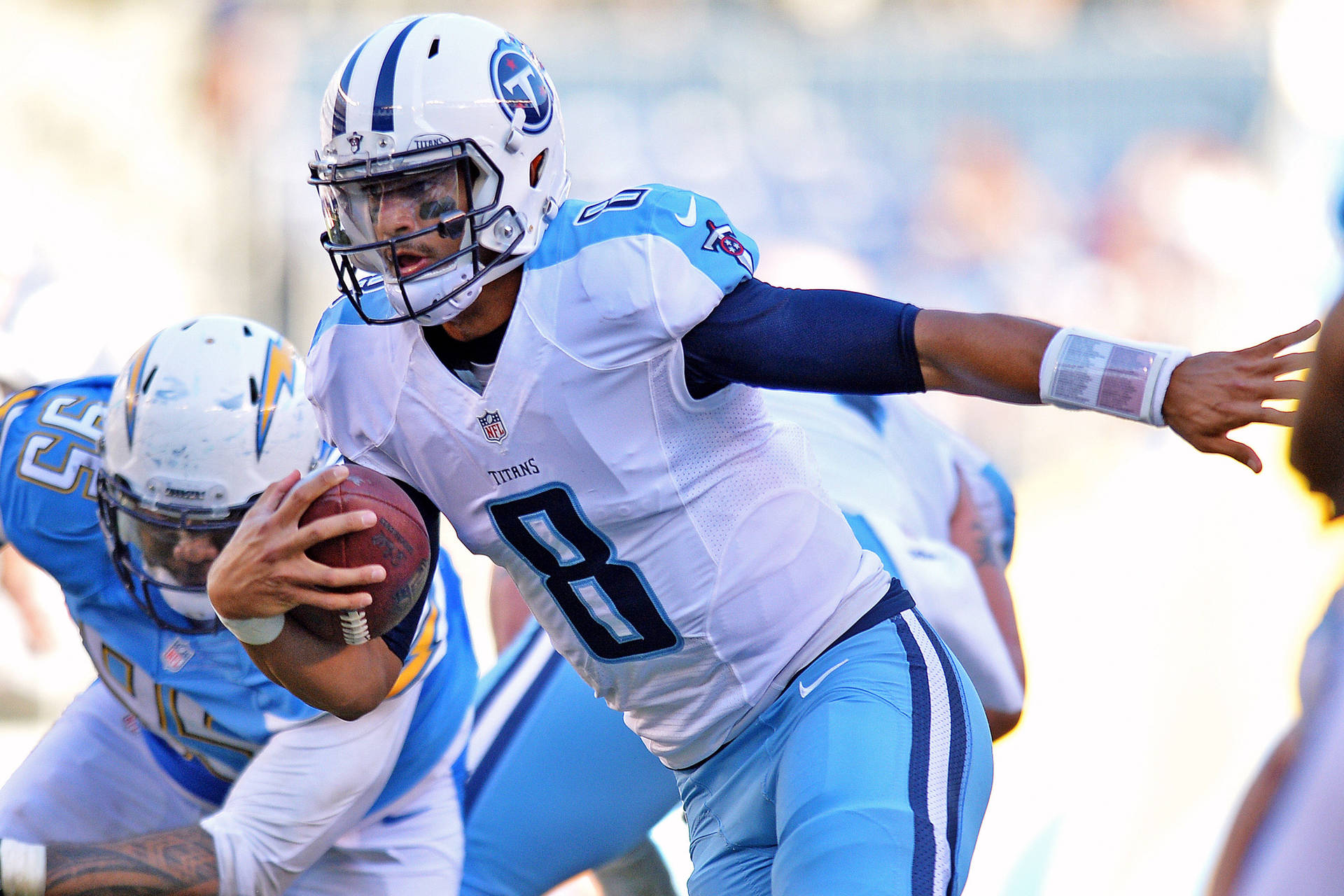
The Houston Texans have made a bold statement in the 2024 NFL Draft by selecting quarterback Malik Johnson with the 12th overall pick. This decision marks a pivotal moment for the franchise, which has been seeking a long-term solution at the position. Johnson, a standout prospect from the University of Oregon, brings a dynamic playmaking ability that aligns with the team’s offensive vision. The selection reflects the Texans’ commitment to building a competitive roster capable of challenging for playoff contention. Analysts suggest this move could reshape the league’s quarterback landscape, particularly with the emergence of other top-tier talents in the draft class. The Texans’ strategic focus on high-impact players underscores their ambition to return to elite status.
{-images-}
The Houston Texans’ decision to invest heavily in their offensive line during the 2024 NFL Draft has sparked widespread discussion among football experts. By securing the services of defensive tackle Jalen Carter and guard Ethan Reed, the team aims to solidify its run-blocking capabilities and improve pass protection. This strategy is a direct response to the challenges faced in previous seasons, where inconsistent line performance hindered the success of the quarterback and running game. The addition of these players is expected to provide stability and depth, allowing the offense to operate more efficiently. However, critics argue that the Texans may be overpaying for players who could have been acquired through trade. Despite this, the franchise’s focus on long-term development suggests that these acquisitions are part of a broader plan to establish dominance in the AFC.
The Houston Texans’ recent trade for veteran wide receiver DeAndre Hopkins has reignited discussions about the team’s strategic direction. While some fans remain skeptical about the cost of acquiring a player in his prime, the move is widely seen as a calculated effort to elevate the offense’s receiving corps. Hopkins’ experience and leadership could provide a crucial edge in critical moments of the season. His ability to make game-changing plays in the red zone aligns with the Texans’ goal of becoming a consistent scoring threat. However, the trade’s long-term impact will depend on how seamlessly Hopkins integrates with the existing roster and whether his performance translates into measurable improvements in team statistics. The Texans’ willingness to make such a significant investment highlights their desire to compete at the highest level.
The Houston Texans’ coaching staff has been praised for their innovative approach to game strategy, particularly in their emphasis on tempo-based offenses. Head coach David Culley’s implementation of a high-paced system has allowed the team to exploit mismatches and keep opponents off balance. This approach has been instrumental in recent victories against top-tier competition, showcasing the effectiveness of the coaching staff’s strategic vision. The success of this system is further supported by the development of young players who have adapted well to the new scheme. However, challenges remain in maintaining consistency across all game situations, especially in high-pressure moments. The coaching staff’s ability to refine and execute this strategy will be crucial in determining the team’s trajectory for the remainder of the season.
The Houston Texans’ focus on player development has become a defining characteristic of their recent success. Under the guidance of their coaching staff, several young players have emerged as key contributors to the team’s competitive edge. This emphasis on growth has been particularly evident in the progress of the offensive line and the defensive backfield, where players have shown marked improvements in their skills and understanding of the game. The team’s investment in training facilities and individualized coaching programs has played a significant role in fostering this development. As the 2024 season progresses, the continued success of these players will be a critical factor in the Texans’ ability to sustain their current level of performance.
The Houston Texans’ long-term vision for the franchise is centered on building a sustainable model of success that balances immediate competitiveness with strategic planning. This approach is reflected in their recent acquisitions, developmental focus, and coaching strategies, all of which aim to create a foundation for future achievements. While challenges such as roster management and injury prevention will require careful attention, the team’s commitment to excellence remains evident. The 2024 season represents a crucial step in this journey, with the potential to solidify the Texans’ position as a perennial contender. As the team continues to refine its approach, the success of its current strategies will determine whether it can achieve lasting success in the NFL landscape.The Houston Texans have made a bold statement in the 2024 NFL Draft by selecting quarterback Malik Johnson with the 12th overall pick. This decision marks a pivotal moment for the franchise, which has been seeking a long-term solution at the position. Johnson, a standout prospect from the University of Oregon, brings a dynamic playmaking ability that aligns with the team’s offensive vision. The selection reflects the Texans’ commitment to building a competitive roster capable of challenging for playoff contention. Analysts suggest this move could reshape the league’s quarterback landscape, particularly with the emergence of other top-tier talents in the draft class. The Texans’ strategic focus on high-impact players underscores their ambition to return to elite status.
 The Houston Texans’ decision to invest heavily in their offensive line during the 2024 NFL Draft has sparked widespread discussion among football experts. By securing the services of defensive tackle Jalen Carter and guard Ethan Reed, the team aims to solidify its run-blocking capabilities and improve pass protection. This strategy is a direct response to the challenges faced in previous seasons, where inconsistent line performance hindered the success of the quarterback and running game. The addition of these players is expected to provide stability and depth, allowing the offense to operate more efficiently. However, critics argue that the Texans may be overpaying for players who could have been acquired through trade. Despite this, the franchise’s focus on long-term development suggests that these acquisitions are part of a broader plan to establish dominance in the AFC.
The Houston Texans’ recent trade for veteran wide receiver DeAndre Hopkins has reignited discussions about the team’s strategic direction. While some fans remain skeptical about the cost of acquiring a player in his prime, the move is widely seen as a calculated effort to elevate the offense’s receiving corps. Hopkins’ experience and leadership could provide a crucial edge in critical moments of the season. His ability to make game-changing plays in the red zone aligns with the Texans’ goal of becoming a consistent scoring threat. However, the trade’s long-term impact will depend on how seamlessly Hopkins integrates with the existing roster and whether his performance translates into measurable improvements in team statistics. The Texans’ willingness to make such a significant investment highlights their desire to compete at the highest level.
The Houston Texans’ coaching staff has been praised for their innovative approach to game strategy, particularly in their emphasis on tempo-based offenses. Head coach David Culley’s implementation of a high-paced system has allowed the team to exploit mismatches and keep opponents off balance. This approach has been instrumental in recent victories against top-tier competition, showcasing the effectiveness of the coaching staff’s strategic vision. The success of this system is further supported by the development of young players who have adapted well to the new scheme. However, challenges remain in maintaining consistency across all game situations, especially in high-pressure moments. The coaching staff’s ability to refine and execute this strategy will be crucial in determining the team’s trajectory for the remainder of the season.
The Houston Texans’ focus on player development has become a defining characteristic of their recent success. Under the guidance of their coaching staff, several young players have emerged as key contributors to the team’s competitive edge. This emphasis on growth has been particularly evident in the progress of the offensive line and the defensive backfield, where players have shown marked improvements in their skills and understanding of the game. The team’s investment in training facilities and individualized coaching programs has played a significant role in fostering this development. As the 2024 season progresses, the continued success of these players will be a critical factor in the Texans’ ability to sustain their current level of performance.
The Houston Texans’ long-term vision for the franchise is centered on building a sustainable model of success that balances immediate competitiveness with strategic planning. This approach is reflected in their recent acquisitions, developmental focus, and coaching strategies, all of which aim to create a foundation for future achievements. While challenges such as roster management and injury prevention will require careful attention, the team’s commitment to excellence remains evident. The 2024 season represents a crucial step in this journey, with the potential to solidify the Texans’ position as a perennial contender. As the team continues to refine its approach, the success of its current strategies will determine whether it can achieve lasting success in the NFL landscape.
The Houston Texans’ decision to invest heavily in their offensive line during the 2024 NFL Draft has sparked widespread discussion among football experts. By securing the services of defensive tackle Jalen Carter and guard Ethan Reed, the team aims to solidify its run-blocking capabilities and improve pass protection. This strategy is a direct response to the challenges faced in previous seasons, where inconsistent line performance hindered the success of the quarterback and running game. The addition of these players is expected to provide stability and depth, allowing the offense to operate more efficiently. However, critics argue that the Texans may be overpaying for players who could have been acquired through trade. Despite this, the franchise’s focus on long-term development suggests that these acquisitions are part of a broader plan to establish dominance in the AFC.
The Houston Texans’ recent trade for veteran wide receiver DeAndre Hopkins has reignited discussions about the team’s strategic direction. While some fans remain skeptical about the cost of acquiring a player in his prime, the move is widely seen as a calculated effort to elevate the offense’s receiving corps. Hopkins’ experience and leadership could provide a crucial edge in critical moments of the season. His ability to make game-changing plays in the red zone aligns with the Texans’ goal of becoming a consistent scoring threat. However, the trade’s long-term impact will depend on how seamlessly Hopkins integrates with the existing roster and whether his performance translates into measurable improvements in team statistics. The Texans’ willingness to make such a significant investment highlights their desire to compete at the highest level.
The Houston Texans’ coaching staff has been praised for their innovative approach to game strategy, particularly in their emphasis on tempo-based offenses. Head coach David Culley’s implementation of a high-paced system has allowed the team to exploit mismatches and keep opponents off balance. This approach has been instrumental in recent victories against top-tier competition, showcasing the effectiveness of the coaching staff’s strategic vision. The success of this system is further supported by the development of young players who have adapted well to the new scheme. However, challenges remain in maintaining consistency across all game situations, especially in high-pressure moments. The coaching staff’s ability to refine and execute this strategy will be crucial in determining the team’s trajectory for the remainder of the season.
The Houston Texans’ focus on player development has become a defining characteristic of their recent success. Under the guidance of their coaching staff, several young players have emerged as key contributors to the team’s competitive edge. This emphasis on growth has been particularly evident in the progress of the offensive line and the defensive backfield, where players have shown marked improvements in their skills and understanding of the game. The team’s investment in training facilities and individualized coaching programs has played a significant role in fostering this development. As the 2024 season progresses, the continued success of these players will be a critical factor in the Texans’ ability to sustain their current level of performance.
The Houston Texans’ long-term vision for the franchise is centered on building a sustainable model of success that balances immediate competitiveness with strategic planning. This approach is reflected in their recent acquisitions, developmental focus, and coaching strategies, all of which aim to create a foundation for future achievements. While challenges such as roster management and injury prevention will require careful attention, the team’s commitment to excellence remains evident. The 2024 season represents a crucial step in this journey, with the potential to solidify the Texans’ position as a perennial contender. As the team continues to refine its approach, the success of its current strategies will determine whether it can achieve lasting success in the NFL landscape.
The Houston Texans’ decision to invest heavily in their offensive line during the 2024 NFL Draft has sparked widespread discussion among football experts. By securing the services of defensive tackle Jalen Carter and guard Ethan Reed, the team aims to solidify its run-blocking capabilities and improve pass protection. This strategy is a direct response to the challenges faced in previous seasons, where inconsistent line performance hindered the success of the quarterback and running game. The addition of these players is expected to provide stability and depth, allowing the offense to operate more efficiently. However, critics argue that the Texans may be overpaying for players who could have been acquired through trade. Despite this, the franchise’s focus on long-term development suggests that these acquisitions are part of a broader plan to establish dominance in the AFC.
The Houston Texans’ recent trade for veteran wide receiver DeAndre Hopkins has reignited discussions about the team’s strategic direction. While some fans remain skeptical about the cost of acquiring a player in his prime, the move is widely seen as a calculated effort to elevate the offense’s receiving corps. Hopkins’ experience and leadership could provide a crucial edge in critical moments of the season. His ability to make game-changing plays in the red zone aligns with the Texans’ goal of becoming a consistent scoring threat. However, the trade’s long-term impact will depend on how seamlessly Hopkins integrates with the existing roster and whether his performance translates into measurable improvements in team statistics. The Texans’ willingness to make such a significant investment highlights their desire to compete at the highest level.
The Houston Texans’ coaching staff has been praised for their innovative approach to game strategy, particularly in their emphasis on tempo-based offenses. Head coach David Culley’s implementation of a high-paced system has allowed the team to exploit mismatches and keep opponents off balance. This approach has been instrumental in recent victories against top-tier competition, showcasing the effectiveness of the coaching staff’s strategic vision. The success of this system is further supported by the development of young players who have adapted well to the new scheme. However, challenges remain in maintaining consistency across all game situations, especially in high-pressure moments. The coaching staff’s ability to refine and execute this strategy will be crucial in determining the team’s trajectory for the remainder of the season.
The Houston Texans’ focus on player development has become a defining characteristic of their recent success. Under the guidance of their coaching staff, several young players have emerged as key contributors to the team’s competitive edge. This emphasis on growth has been particularly evident in the progress of the offensive line and the defensive backfield, where players have shown marked improvements in their skills and understanding of the game. The team’s investment in training facilities and individualized coaching programs has played a significant role in fostering this development. As the 2024 season progresses, the continued success of these players will be a critical factor in the Texans’ ability to sustain their current level of performance.
The Houston Texans’ long-term vision for the franchise is centered on building a sustainable model of success that balances immediate competitiveness with strategic planning. This approach is reflected in their recent acquisitions, developmental focus, and coaching strategies, all of which aim to create a foundation for future achievements. While challenges such as roster management and injury prevention will require careful attention, the team’s commitment to excellence remains evident. The 2024 season represents a crucial step in this journey, with the potential to solidify the Texans’ position as a perennial contender. As the team continues to refine its approach, the success of its current strategies will determine whether it can achieve lasting success in the NFL landscape.